


-

Add: HeBei ShengShi HongBang Cellulose Technology CO.,LTD.
-

Email
13180486930@163.com -

CONTACT US
+86 13180486930

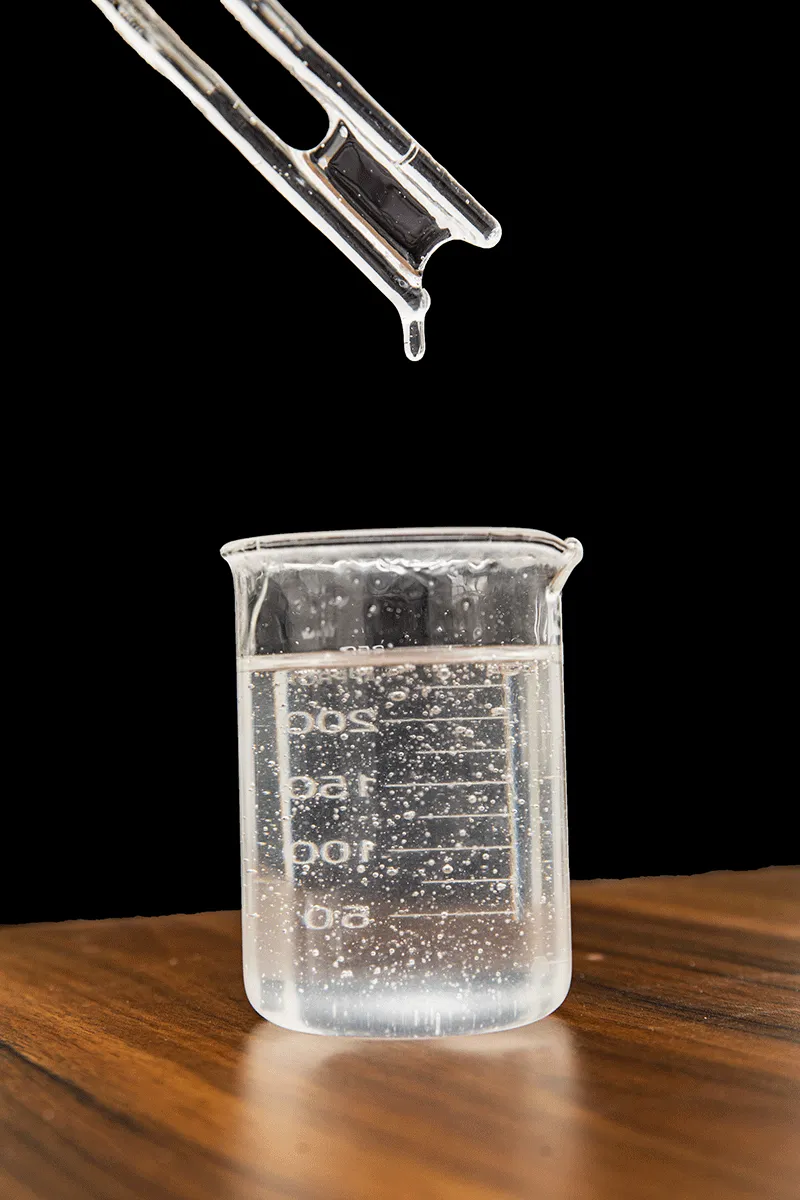
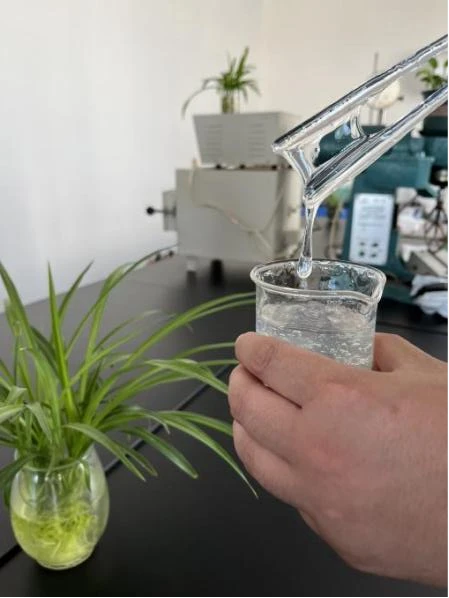
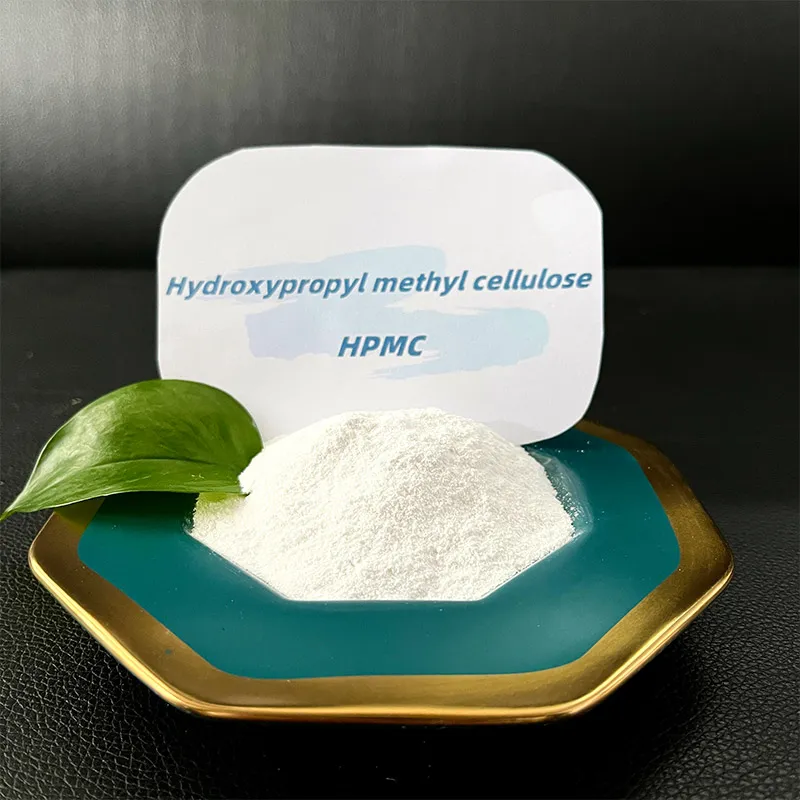


Retained Hydroxypropyl Methylcellulose (HPMC) has long been a cornerstone in various industrial and pharmaceutical applications, offering versatile properties that enhance product formulations, consistency, and performance. The recent discontinuation of certain retained HPMC products has sparked concern and curiosity among businesses and consumers who relied on its unique benefits. This article delves into the implications of this discontinuation, offers alternatives, and discusses the broader impact on industries that heavily utilized these products. Retained HPMC is renowned for its exceptional ability to control moisture, serve as a thickening agent, and sustain the stability of emulsions and suspensions. Its non-toxic, inert properties have made it a popular choice in the pharmaceutical industry for coating tablets, controlling drug release , and even in topical formulations. The construction sector also values HPMC for enhancing the workability of mortar and cement products, reducing water retention, and promoting adhesive properties. The discontinuation of retained HPMC products can be attributed to several factors, including shifts in market demand, advancements in technology, and changes in regulatory standards. For instance, increasing scrutiny over synthetic additives and a growing push for more sustainable, biodegradable alternatives have influenced manufacturers to reconsider their product lines. Furthermore, innovations in biopolymers and natural thickeners are providing effective substitutes that align with contemporary consumer preferences for eco-friendly ingredients. Businesses reliant on retained HPMC must now explore alternative solutions that can offer comparable performance characteristics. One promising substitute is cellulose ethers derived from natural sources, which maintain the desirable properties of HPMC while addressing environmental concerns. These alternatives minimize ecological impact and align with the industry's movement towards more sustainable practices. Moreover, professionals working in R&D departments are tasked with reformulating products to adapt to the absence of retained HPMC. This presents an opportunity for embracing innovation, as new formulations can potentially outperform traditional ones not just in terms of efficacy, but also in meeting regulatory standards and consumer expectations. Collaborative efforts across industries may foster the rapid development and acceptance of suitable replacements, thereby maintaining product integrity and customer satisfaction. retaine hpmc discontinued For industries such as pharmaceuticals and construction, the transition away from retained HPMC products necessitates thorough testing and validation processes to ensure the quality and safety of new formulations. This requires increased investment in R&D and robust collaboration with suppliers who can provide consistent, high-quality alternative ingredients. The discontinuation also highlights the importance of future-proofing product development to anticipate market shifts and regulatory changes. Companies that invest in adaptable, innovative solutions position themselves advantageously to navigate potential disruptors, ensuring long-term resilience and competitiveness. Engaging with regulatory bodies, industry groups, and consumer feedback can offer valuable insights and guide the development of high-performing alternatives. While the phase-out of retained HPMC products may pose challenges, it also paves the way for forward-thinking companies to lead the charge in sustainable innovation. By embracing this change, industries can not only sustain their operations but also contribute to broader environmental goals and enhance their reputation as conscientious, responsible market players. In conclusion, the discontinuation of retained HPMC products necessitates a strategic pivot towards sustainable alternatives. Through embracing innovation, rigorous testing, and cross-industry collaboration, companies can effectively navigate this transition. This approach ensures that businesses remain competitive and responsive to evolving market demands and regulatory landscapes, all while contributing positively to environmental sustainability.
- 40000tons

Production
- 20+years

Experience
- 5000+㎡

Acreage

-
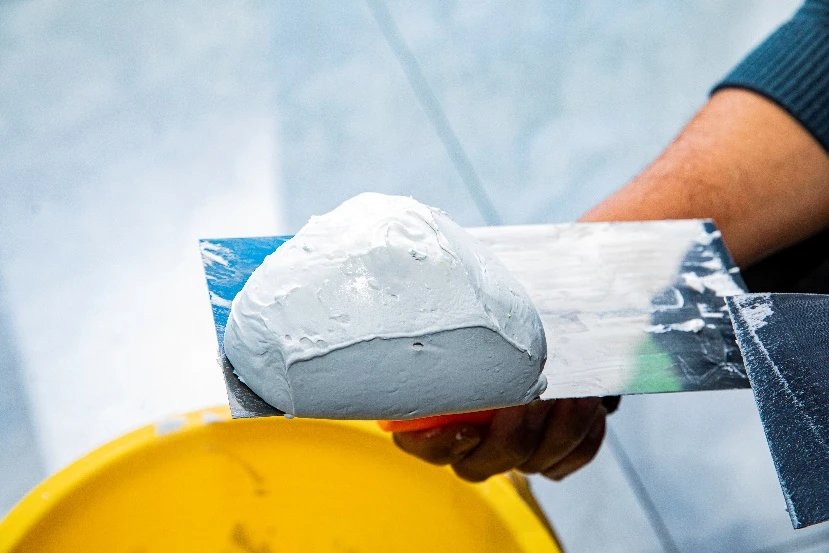
In the ever-evolving construction industry, materials that enhance performance, longevity, and efficiency are in high demand. Hydroxypropyl methylcellulose , a premium additive, has cemented its place as a key ingredient in the formulation of mortar, coatings, and wall putty. Its exceptional qualities impact everything from application ease to durability, making it indispensable for professionals who value precision and quality. Hydroxypropyl Methylcellulose: How it Affects Mortar and Coatings In construction projects, every detail matters, including the sequence in which additives like hydroxypropyl methylcellulose are introduced. The order of addition plays a crucial role in determining the consistency, workability, and performance of mortar and coatings. When hydroxypropyl methylcellulose is added directly to water before mixing with other components, it dissolves efficiently, forming a uniform solution. This step ensures that the additive can fully develop its water-retention properties, resulting in consistent viscosity and enhanced ease of application. Conversely, if added too late, its dispersion may become uneven, affecting the overall quality of the mixture. Builders who buy hydroxypropyl methylcellulose should follow precise mixing instructions to maximize its benefits. Correctly incorporating this additive into coatings improves spreadability and adhesion, ensuring a smooth application and long-lasting results. Enhancing Durability and Anti-Aging Properties with Hydroxypropyl Methylcellulose Durability is a fundamental requirement for building materials, and hydroxypropyl methylcellulose plays a pivotal role in achieving this. By enhancing water retention during the curing process, this additive prevents premature drying, reducing the risk of cracking and structural flaws. This controlled hydration significantly boosts the long-term performance of materials like mortar, coatings, and wall putty. In terms of anti-aging properties, hydroxypropyl methylcellulose acts as a shield, protecting materials from the damaging effects of environmental factors such as moisture, temperature changes, and UV radiation. Materials treated with hydroxypropyl methylcellulose exhibit improved elasticity, ensuring they can withstand daily wear and tear without losing integrity. When applied to wall putty, for example, this additive prevents shrinkage while maintaining a smooth, crack-free surface. Builders seeking enhanced durability and aesthetic appeal should consider sourcing this innovative material from a trusted hydroxypropylmethylcellulose supplier . Behavior of Hydroxypropyl Methylcellulose in Building Materials The adaptability of hydroxypropyl methylcellulose is one of its standout features, allowing it to blend seamlessly with diverse formulations. Its water-retention capabilities improve consistency, making it easier to achieve a flawless finish with minimal effort. Additionally, hydroxypropyl methylcellulose in wall putty significantly enhances bonding strength, ensuring that the applied surface remains intact and durable over time. Under wet conditions, hydroxypropyl methylcellulose provides remarkable stability. It prevents material degradation, supports long-term adhesion, and facilitates uniform drying. This makes it ideal for construction projects in humid environments or those subject to heavy rainfall. Furthermore, its compatibility with various raw materials makes it an essential choice for manufacturers looking to improve product quality across multiple applications. Trusted Hydroxypropylmethylcellulose Supplier for Reliable Performance The benefits of hydroxypropyl methylcellulose depend not only on its unique properties but also on the quality of the product itself. For construction professionals and manufacturers aiming to achieve superior results, sourcing this material from a trusted hydroxypropylmethylcellulose supplier is essential. Our company provides premium-grade hydroxypropyl methylcellulose , ensuring consistency, reliability, and unmatched performance in every batch. Whether you’re formulating advanced coatings, preparing wall putty, or developing high-performance mortar, our product delivers measurable benefits across all applications. When you buy hydroxypropyl methylcellulose from us, you’re not just purchasing an additive—you’re investing in quality and long-lasting results. With our industry expertise and commitment to excellence, we’ve become a go-to supplier for construction professionals worldwide. Hydroxypropyl Methylcellulose: Building the Foundations of Excellence As modern construction continues to push the boundaries of performance and sustainability, hydroxypropyl methylcellulose remains a cornerstone for success. From improving the workability and durability of materials to offering unmatched resistance against aging and environmental damage, its role is pivotal in achieving next-level construction results. Whether you’re a builder aiming to enhance the durability of your projects or a manufacturer striving for innovation, incorporating hydroxypropyl methylcellulose is a step toward redefining quality. Partner with a trusted hydroxypropylmethylcellulose supplier today and experience the transformative power of this remarkable additive. Choose the right product. Choose the best partner. Choose hydroxypropyl methylcellulose .
-
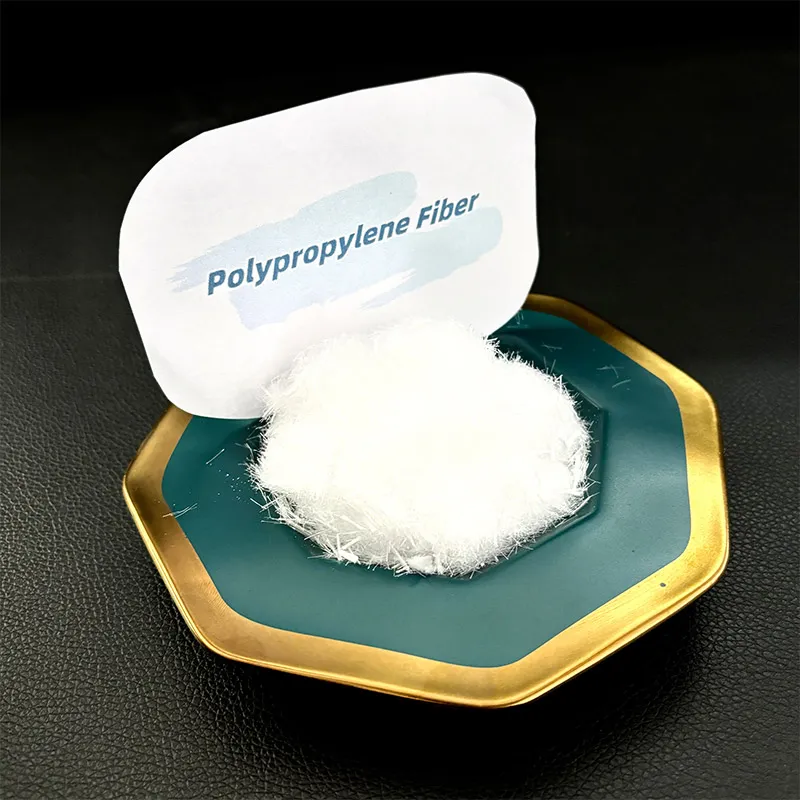
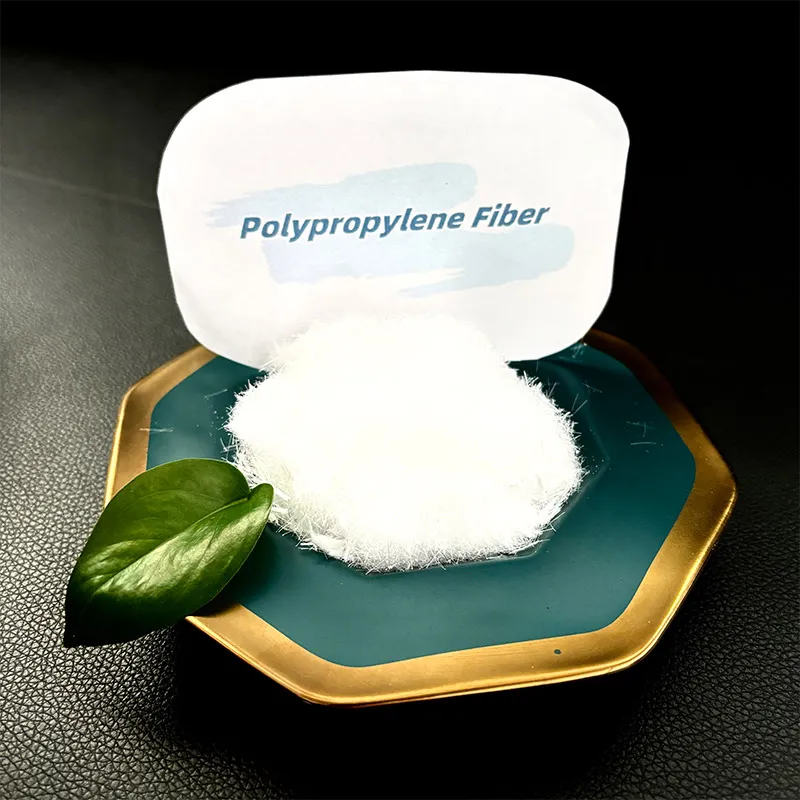
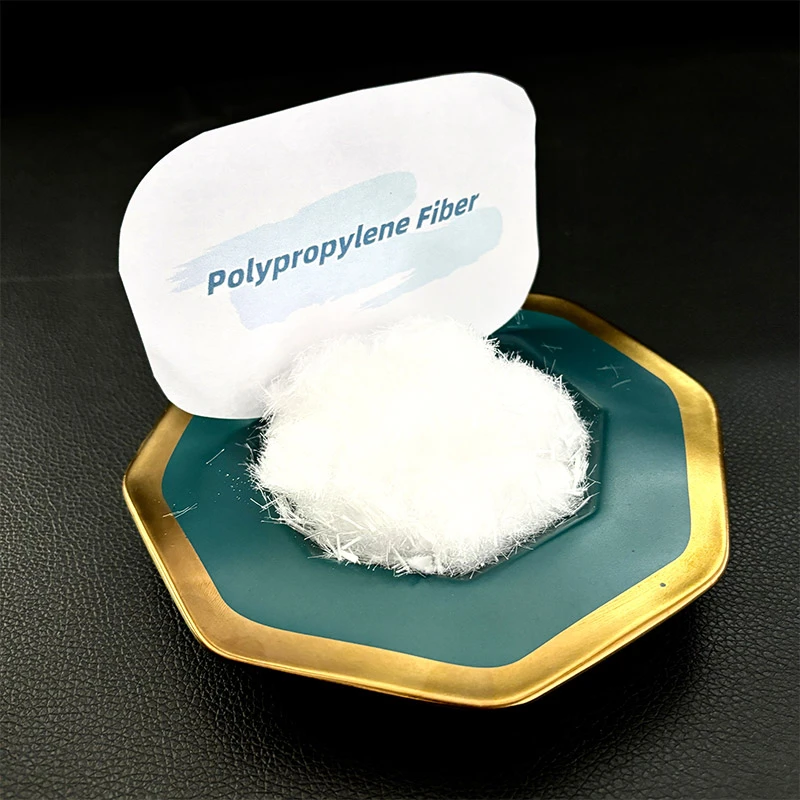
Fiber polypropylene (PP) is increasingly becoming a staple in diverse industries due to its remarkable properties and adaptability across applications. This versatile material is at the forefront of innovation, providing solutions that address modern demands for sustainability, cost-effectiveness, and performance enhancement. Manufacturers, construction companies, automotive leaders, and several other sectors are leveraging the advantages of PP fiber, thereby solidifying their footholds in competitive marketplaces. The strength of fiber PP lies primarily in its durability and resistance to chemical degradation, making it an ideal candidate for products that require longevity and resilience. Unlike other materials, PP fiber doesn't corrode, even when exposed to a variety of harsh conditions. This feature is particularly beneficial in the construction industry where builders use it as a key component in reinforcing concrete. Enhancing concrete with polypropylene fibers significantly reduces cracking, increases its impact strength, and improves overall durability. Construction experts advocate for its use because the life cycle costs of structures decrease when maintenance requirements are minimized. Moreover , fiber PP's lightweight nature doesn't compromise its strength. This characteristic is attracting manufacturers seeking to produce lighter, yet equally robust products. The automotive industry, constantly under pressure to improve fuel efficiency and reduce emissions, finds PP fiber to be indispensable. Parts constructed from polypropylene fibers contribute significantly to the reduction of vehicle weight, thereby enhancing overall energy efficiency while maintaining stringent safety standards. What's particularly compelling about fiber PP is its contribution to sustainability initiatives. As industries strive toward more eco-friendly practices, polypropylene fibers stand out due to their low environmental impact during production. They're recyclable, which aligns perfectly with global recycling targets aimed at reducing industrial waste. Industries share experiences of successfully integrating recycled PP fibers into new products without compromising quality or performance, thus setting a new benchmark for sustainable manufacturing processes. fiber pp From an expertise viewpoint, the application of fiber PP requires an understanding of its properties and potential within specific contexts. Engineers and designers are often surprised to discover that despite its plastic origin, fiber PP exhibits characteristics desirable for high-performance applications—it's non-conductive, moisture-resistant, and can withstand significant stress and strain. Industry specialists are crafting innovative applications that exploit these features, demonstrating a high level of expertise and creativity in their fields. Authoritativeness in the realm of fiber PP is represented by leading institutions and research bodies who continually validate its applications through rigorous testing. Several studies emphasize that polypropylene fibers reduce permeability in concrete, enhancing its waterproofing characteristics. Such authoritative voices in construction materials science reinforce the credibility of fiber PP as a pivotal material, further encouraging its adoption worldwide. Lastly, trustworthiness in fiber PP applications is generally observed through its transparent supply chain practices and quality certifications. Companies that produce PP fiber adhere to stringent global standards, ensuring product consistency and safety—vital factors that build trust with end consumers. As industries increasingly rely on certified materials, the third-party validations that fiber PP often comes with, such as ISO certifications, significantly enhance its trust quotient among users looking for reliable and proven materials. In conclusion, fiber polypropylene embodies a confluence of modern material goals high performance, sustainability, and cost-effectiveness, making it a smart choice for forward-thinking industries. Its unique properties—durability, light weight, and recyclability—along with the wealth of professional expertise surrounding its application, underscore its growing prominence. As industries increasingly share their positive experiences and insights regarding fiber PP, it continues to cement its status as a preferred option across various applications, reflecting a commitment to innovative, sustainable practices while meeting the complex demands of today's markets.
advantages
-

200000 Viscosities
Excellent product
We can produce pure products up to 200,000 viscosities
-

40000 tons
High yield
We don’t stop production all year round, and the annual output can reach 40,000 tons
-

24 hours
Quality service
We provide 24-hours online reception service, welcome to consult at any time
———— Inquiry Form
Schedule A services

-
 fiber_for_concrete_mix
Oct . 25, 2025
Starch ether is a versatile and eco-friendly compound derived from natural starch sources, widely us -
 hpmc_coating
Oct . 25, 2025
Understanding the properties and applications of HPMC K15M viscosity is critical for industries rang -
 vae
vaeOct . 25, 2025
In the rapidly advancing world of materials science, chemical material rubber powder emerges as a re


